In short:
- Before you make an offer on a house you like, go see it once after sunset, on a weeknight, around the time you’d usually get home.
- On that visit, check things you can actually see: light at the steps and house number, how the sidewalk feels underfoot, where you’d park at 6:30 and what you hear from the bedrooms.
- Use the same trip to find your own evening routine and to look up public meetings about what’s planned nearby.
On Thursday, Nov. 12, at 6:00 p.m., the Pittsburgh Parks Conservancy is holding a virtual public meeting on accessibility upgrades to the Frick Environmental Center campus, according to its November event calendar. It’s on Zoom, so you can join from the kitchen table. In mid-November, it’s already dark out by then.
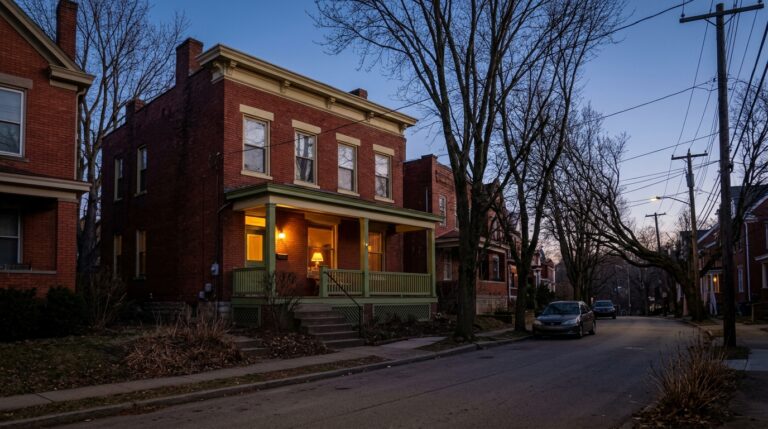
A lot of East End life happens in those hours between getting home and going to bed. You look for a parking spot, walk to dinner, carry the recycling to the curb, log on to a meeting about the park down the street. Listing photos are taken in daylight, and so are most first showings. A house you like can feel quite different at 6:30 on a Tuesday. We think you should see that version before you make an offer.
The one tip: go back after sunset before you offer
If you only take one thing from this post, make it this. Once a house makes your short list, see it once after dark. Here’s how we’d do it:
- Ask for an evening showing. If you’re working with an agent, ask them to request a second showing after sunset. If that can’t happen in time, at least walk past from the public sidewalk. Stay on the sidewalk, and don’t step onto the property or look in windows unless you have a booked showing.
- Pick a weeknight, at your real hour. A Saturday evening and a Tuesday at 6:30 are different streets. Go when you’d actually be coming home from work.
- Arrive the way you would every day. Park where you’d really park, or get off at the stop you’d really use, and walk the rest of the way to the door.
- Write down three things. Use your phone’s notes app before you leave the block. Write what you liked, what bothered you, and what you want to ask.
Street lighting: start at the front door
A porch light is a small piece of design that does a lot of work. It marks the door, lights the steps and shows the street the house is lived in. At night, check:
- The house number. Can you read it from the street? Delivery drivers and guests will be trying to.
- The steps and walk. If the house sits above the street with steps up to the porch, are those steps lit by a porch light, a streetlight or nothing at all? Would you be comfortable carrying groceries up them on a dark, wet night?
- Where the streetlight lands. Stand in the front bedroom during the showing. If a streetlight shines straight in, plan for real blackout shades.
- The lights inside. Turn on what’s there. Some older houses have few overhead fixtures, so a room can look bright in the photos and dim at night. Count the outlets where you’d put lamps.
Sidewalk feel in Point Breeze, Squirrel Hill and Shadyside
To be honest, lighting and sidewalks change from block to block in all three neighborhoods. We’d rather you see your block than rely on our generalization. What we can tell you is where to look.
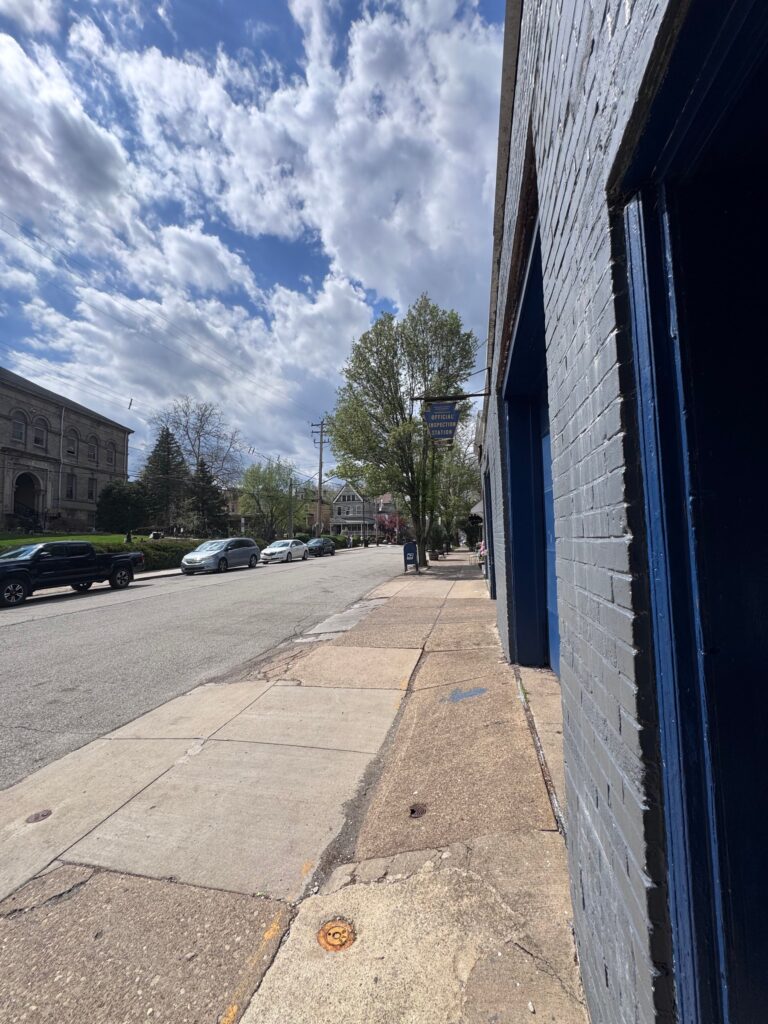
- Footing, everywhere. Look for slabs lifted by tree roots, wet leaves over uneven spots and places where water will freeze. It’s easier to learn this in November than on an icy morning in February.
- Point Breeze. If the house is near Frick Park, walk toward the park edge and back. Notice where the streetlights stop and what the walk is like in the dark. If you’re picturing evening walks in the park itself, check its posted hours first.
- Squirrel Hill. If you’d walk to Forbes Avenue for errands or dinner, do that walk at night, both ways, and time it. Look at the crosswalks you’d use and whether the walk home is mostly uphill.
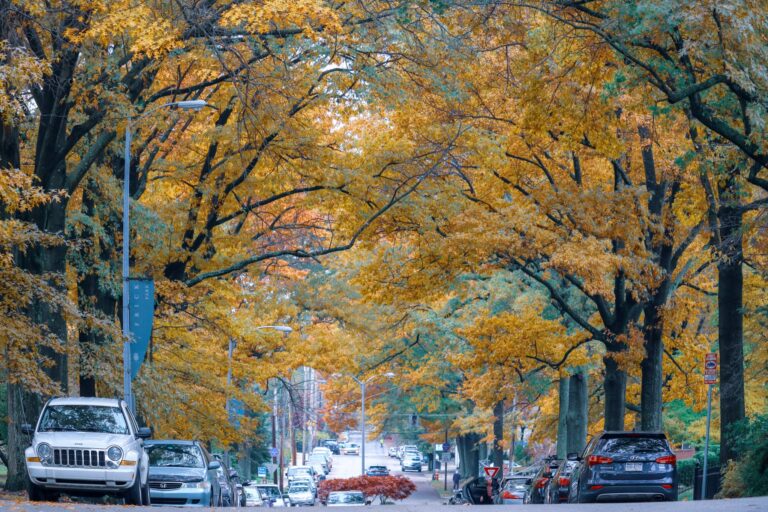
- Shadyside. If the block has cars parked on both sides, notice how that changes your view when you cross and how much room the sidewalk feels like it has. Then walk to the corner you’d use most often.
Parking after work
Parking is one of the biggest trade-offs in the East End, and it looks completely different at 7 p.m. than at noon. On your evening visit:
- Count the open spots. Between 6 and 7 p.m. on a weeknight, how many open curb spaces are within a block of the house?
- Read every sign. Look for permit-only rules, time limits and street-cleaning days. Take a photo so you can read the details later.
- Test the driveway or alley. If there’s a garage or a shared alley, is it lit? Could you back out in the dark without guessing?
- Think about guests and deliveries. Where would a visitor park for Thanksgiving dinner, and where would a delivery van stop?
- Weigh the walkability trade-off. A house a block or two from a business district is a short walk to dinner. In the evening, though, you may be sharing curb space with the people eating there.
What you hear after 7
Night is when a house gets quiet enough to hear. During the showing, spend two minutes in the bedrooms with the lights off. Listen for buses, deliveries behind nearby businesses, rooftop equipment and the house itself. Older East End houses often have boilers or furnaces you’ll hear kick on as the evening cools. Hearing one start up tells you more than any listing description can.
Find your evening spots on the same trip
Part of deciding whether a house fits is deciding whether the evenings around it fit. You don’t need a guide to do this. You need one walk, after dark, with three stops in mind:
- Coffee. Find the closest coffee shop you’d actually go to and read the hours on the door. Online hours aren’t always current, and some places close earlier in winter.
- Dinner. Walk to the nearest spot you’d go on an ordinary weeknight. Notice whether it’s a five-minute walk or a drive and a hunt for parking.
- A walk. Pick a 10-minute loop you’d do after dinner, on lit sidewalks, and try it. If you’d rather save park walks for daylight, the Frick Environmental Center hosts Discovery Time: Fun with Senses on Saturday, Nov. 14 and Restorative Yoga on Sunday, Nov. 15, both at 1:00 p.m., per the Conservancy calendar.
While you’re in, ask whoever is behind the counter what a weeknight on that stretch is like. Most people who work on a block for a while have noticed things a listing never mentions.
Evenings are also when the neighborhood plans ahead
A lot of local planning happens in evening meetings, and many of them are on Zoom now. If you’re serious about a street, find out what’s planned nearby:
- Tuesday, Nov. 10, 7:00 to 8:00 p.m.: City Planning lists a Highland Park Development Activities Meeting on zoo renovations and new construction at 201 Shelter House Road. It’s virtual only, and the Zoom link is still to be announced.
- Thursday, Nov. 12, 6:00 p.m.: the Frick Environmental Center accessibility meeting mentioned above.
- Penn and Shady. If you’re looking in East Liberty near Bakery Square, know that the Planning Commission approved a six-story apartment and office building there on June 30, 2026, with 199 units. At least 5% of them will be affordable. Final construction plans still need approval from the city’s zoning administrator. A corner like that will look and work differently once it’s built.
If a house you like is near any of these, it’s worth the hour to listen in. City Planning’s meeting calendar is the place to check for others.
Before you go
An evening visit won’t tell you everything about a house. Your inspector covers the house itself, and a daylight visit is still the best time to see the roof and yard. But one walk after sunset shows you the version of the street you’ll actually come home to, and that’s worth a weeknight. When something catches your eye, put it on your list and go see it after dark.
Search East End homes for sale
Every move is different, so talk with a licensed real estate professional about your own situation before you make an offer.
Howard Hanna
Squirrel Hill Office, PA
6310 Forbes Avenue
Pittsburgh, PA 15217
(412) 421-9120