In short:
- Recent national numbers suggest buyers have more to choose from this fall, so how an East End house looks, works and is timed counts for more.
- Before you list, spend on what buyers and inspectors notice first: the walk to the front door, the heating system, the gutters and the detectors.
- Base your timing on your own life and the calendar, not on a forecast. Nobody, including us, can tell you where prices are going.
Tomorrow, Saturday, Nov. 7, the city picks up fall yard waste in the Central-Eastern area, according to the DPW’s 2026 Central-Eastern calendar. Leaves, grass, shrubs and pumpkins go out in paper bags only, never plastic. Branches have to be bundled and tied, and each one must be under 4 inches across and 5 feet long. The calendar lists Construction Junction at 214 N. Lexington St. as the Point Breeze drop-off location.
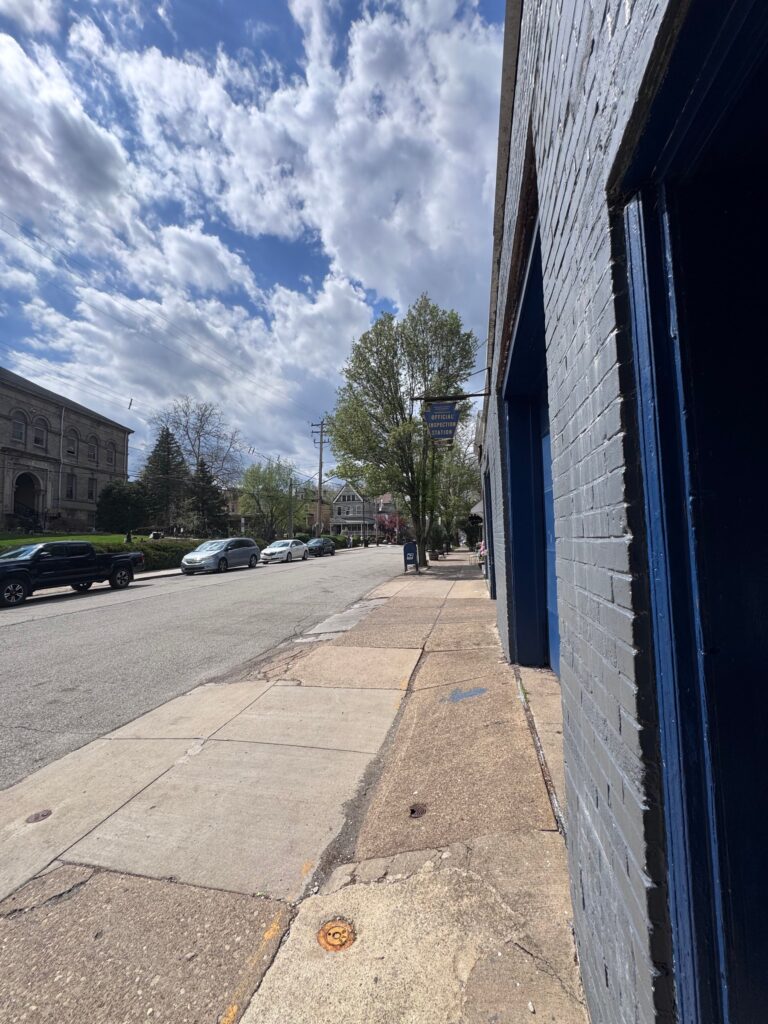
That’s a chore list, sure. It’s also where we’d start if you’re thinking about selling a house in Point Breeze or anywhere else in the East End this winter. Buyers see the front walk before anything else, both in person and in the listing photos. When they have more houses to compare, wet leaves piled by the steps give them one more reason to move on to the next one.
Here’s how we’d think about getting a house ready when buyers have options: presentation, sensible repairs and realistic timing. None of this is about what your house is worth. That takes a conversation about your particular home.
What “more choices” looks like in the numbers
NAR reported that national existing-home sales rose 1.5% in September 2026, to a seasonally adjusted annual rate of 3.99 million. Inventory also rose, to 1.60 million homes, which NAR counts as a 4.8-month supply. The national median existing-home price was $417,500, up 1.3% from a year earlier.
For a look ahead, NAR’s Existing-Home Sales page lists the latest Pending Home Sales reading at -7.3%. Pending sales count contracts that have been signed but haven’t closed yet, so they’re an early sign of what buyers are doing.
Closer to home, Realtor.com data on FRED put the median listing price for the Pittsburgh metro at $245,000 in September 2026, down from $259,900 in June. Those are asking prices across the whole metro area. They aren’t sale prices, and they don’t describe any single East End street.
Taken together, national inventory is up, the latest pending reading is down and metro asking prices have come down since early summer. We’re not making a forecast from any of that. What it does tell you is that a buyer touring in November may well have a few other houses on their list. So the rest of this post sticks to the parts of a sale you control.
Presentation: the first minute matters most
Most buyers make up their minds about a house quickly, and in November a lot of that happens in the dark. Showings after work and photos taken in weak afternoon light are common this time of year. A few things to check:
- The approach. Bag the leaves for Saturday’s pickup, sweep the steps and walk, and bundle any fallen branches to the city’s size limits. If a storm brings more down later, deal with them right away.
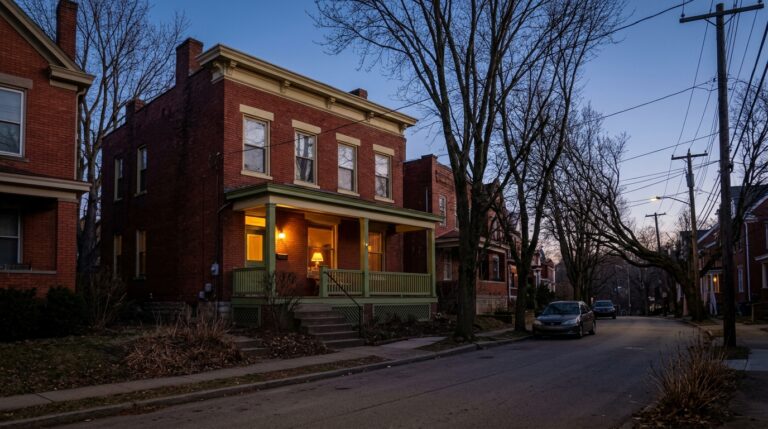
- The porch light and house number. Walk up to your own door at dusk. Can you read the number from the street? Does the light work, and is it bright enough to find the lockbox?
- The entry. Winter showings mean wet shoes. Put down a sturdy mat and a boot tray, and clear out the coats that pile up by the door.
- Light inside. Replace burned-out bulbs and open every blind. Try to schedule listing photos for the middle of the day, when the light is best.
- Comfort. Keep the house at a normal winter temperature for showings. A chilly room makes buyers start asking about the heating bill.
Sensible repairs: fix what an inspector will write down
When buyers have choices, an inspection report full of small items can turn into a list of reasons to negotiate or walk away. Luckily, many of the things worth doing before a sale are the same things worth doing every November. A Nov. 2 Pittsburgh winter-prep report recommends this list for early in the month:
- Find the main water shutoff. Tag it so you, a buyer’s inspector or a plumber can find it fast.
- Inspect the heating system and change the furnace or boiler filter. If you have it serviced, keep the receipt. A dated service record answers a question before a buyer asks it.
- Clear the gutters. Do it before the leaves in them freeze into a solid mat.
- Test smoke and carbon monoxide detectors. Replace the batteries and any detectors that don’t work.
For an older house, think about one more step: a sewer camera inspection of the line to the street. Many older East End homes still have their original clay sewer lines, and tree roots find every crack. A standard home inspection usually doesn’t cover the sewer line. If you know its condition before you list, there’s no surprise halfway through the sale. If your house is in a borough just outside the city, check with the municipal office too, because some boroughs have their own sewer inspection or dye-test requirements before a sale.
What we’d go slow on is a big project started only for the sale. Do the basics above first. If you’re still weighing something larger, talk it through with someone who has actually been inside your house.
Winter has its own risks for a house on the market
If you’ve already moved out, or you’re away for the holidays, the house still needs attention. The same winter-prep report points out that damage from frozen pipes may not show up until the ice thaws. A pipe can crack in January and leak only after it warms up. Some practical steps:
- Keep the heat on in an empty house, and have someone walk through it regularly.
- Pay attention to plumbing in unheated parts of older houses, like a basement corner, a crawl space or a pipe along an outside wall.
- Shut off and drain outdoor spigots before the first hard freeze.
- Keep the walk and steps clear after snow, for buyers and for the mail carrier.
Realistic timing: plan around your calendar, not a forecast
The right time to sell depends on when you need to move and where you’re going. We won’t tell you whether this winter is a good or bad time, because no one can promise that. What you can do is make a realistic plan:
- Work backward from your move. Leave room for repairs, cleanup, photos and a stretch of showings. Fall is a busy season for gutter and heating work, so book early.
- Think about the holidays honestly. Thanksgiving and December fill up everyone’s calendar, yours included. Decide ahead of time whether you can keep the house ready for showings through them.
- Plan for parking. If your street is narrow or parking is tight, note where buyers should park in the showing instructions. It’s one less hassle at the curb.
- Know when the numbers come out, and what they don’t tell you. Realtor.com’s metro data was scheduled to update on Nov. 5, so a newer month may already be posted. NAR releases October’s national figures on Thursday, Nov. 12, at 10:00 a.m. Eastern. They’re good background, but they won’t tell you about your block.
Where to start this weekend
You don’t have to decide anything about selling to get the first few things done. Put the leaves in paper bags for Saturday. Find and tag the water shutoff. Change the furnace or boiler filter, and press the test button on every detector. Then walk up to your own front door at dusk and look at it the way someone seeing it for the first time would. Your house would need all of that this winter even if you weren’t selling.
Every house and every sale is different, so talk with a licensed real estate professional about your own situation before you make decisions.
If you’d like a second set of eyes on your house and what it might take to get it ready, we’re happy to walk through it with you, with no pressure and on your timeline: Free home evaluation.
Howard Hanna
Squirrel Hill Office, PA
6310 Forbes Avenue
Pittsburgh, PA 15217
(412) 421-9120