In short:
- Winter doesn’t change the steps of buying a home, but it does tighten the calendar, so line up your inspector, lender and showing times before the holidays.
- A cold-weather showing lets you test how an older house heats and how a street works in winter, but it hides the roof, the yard and some pipe damage until spring.
- National sales figures are seasonally adjusted so months can be compared, so treat them as background and not as a forecast for any East End house.
On Saturday, Nov. 7, the city picks up yard waste across the Central-Eastern area. The rules are specific: leaves, grass, shrubs and pumpkins go in paper bags only, no plastic, and branches have to be bundled, tied and kept under 4 inches across and 5 feet long, according to the city’s 2026 Central-Eastern refuse and recycling calendar. Miss the truck and the same calendar lists Construction Junction at 214 N. Lexington St. as the Point Breeze drop-off.
For a lot of East End households, that pickup is the last outdoor chore of fall. After it, the house runs on heat and the street runs on whatever the weather does.
If you’re looking for a home right now, the change of season affects you too. The steps of buying stay the same. What changes is the calendar around them and what you can learn about a house and a block just by showing up. Here’s how we’d think about a search between now and early spring.
Plan around a shorter, busier calendar
Between Thanksgiving and New Year’s, everyone’s schedule gets tight, including the people a buyer relies on. A few things help:
- Line up your people now. Find an inspector you’d hire before you need one, and talk with a lender early so you know where you stand. Ask both how the holidays affect their schedules.
- Tour in daylight when you can. Early sunsets make evening showings harder. A Saturday morning visit shows you the light in the rooms and gives you a clear look at the outside of the house.
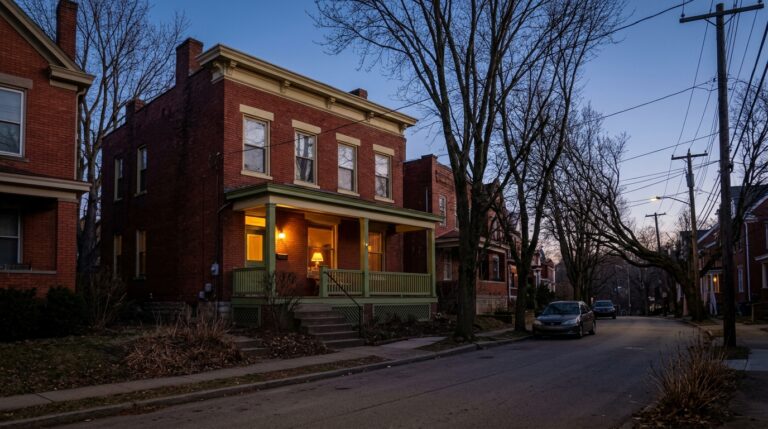
- Then go back after dark. A second visit in the evening shows you the street lighting, the walk from where you’d park and what the block is like at the hour you’d actually come home.
- Keep your search alerts on through the holidays. Homes come on the market in winter too. Being ready matters more than the date on the calendar.
What cold weather shows you in an older house
A lot of East End houses are old: foursquares, brick rowhouses and twins, and big houses that were later split into apartments. They were built around the heating systems of their day, and a winter showing is your best chance to see how that system works now.
- The heat is on. Listen for the boiler or furnace starting up. Put a hand on the radiators or vents in different rooms. Notice whether one room stays cold.
- Drafts are easy to find. Stand near the old windows and exterior doors. If you can feel cold air, you’ll be paying for it every month.
- The basement in the cold. Find out where the water lines run. If they go through an unheated basement or along an outside wall, ask whether they’ve ever frozen.
Ask the sellers’ side when the furnace or boiler was last serviced, when the filters were last changed and where the main water shutoff is. A Nov. 2 Pittsburgh winter-prep report tells current homeowners to check those same things in early November, along with clearing gutters and testing smoke and carbon monoxide detectors. A house that’s been looked after should have answers.
What winter hides until spring
Winter has a downside too. Some things are harder to see between December and March:
- The roof. Snow can cover shingles, flashing and flat sections completely. Ask your inspector to note what they could and couldn’t see.
- The yard and grading. Frozen ground won’t show you where water pools or which way it runs toward the foundation.
- Frozen-pipe damage. The same winter-prep report notes that damage from frozen pipes may not show until the ice thaws. A dry basement in January is good news, but it doesn’t tell you everything.
None of this is a reason to skip a winter purchase. It just means asking more questions about the parts of the house you can’t see.
Test the street on a cold morning
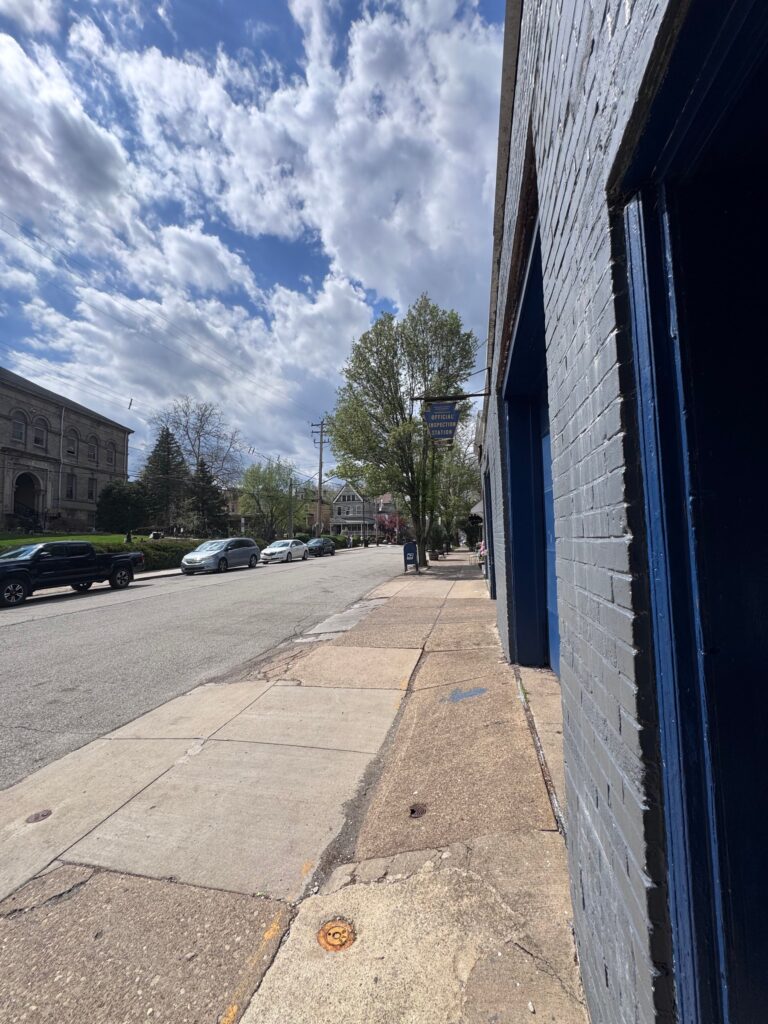
Whether a house works for you depends partly on the street, and winter shows you the street faster than any listing description can.
- Go back after a snowfall. See how the block looks at 8 a.m. and how far you’d carry groceries from the nearest open parking spot.
- Check the parking setup. Is there a driveway, a garage, a shared alley or only the curb? Parking on the street feels different in February than it does in June.
- Walk to the bus stop. Time it in the cold. Note which sidewalks get cleared and which don’t.
- Walk to the park, too. If you’re looking near Frick Park, the Pittsburgh Parks Conservancy calendar lists Discovery Time: Fun with Senses on Saturday, Nov. 14 and Restorative Yoga on Sunday, Nov. 15, both at 1:00 p.m. at the Frick Environmental Center. Go to one, then walk from the center back to the streets you’re considering. Time the walk and notice the hills, the crossings and where the sidewalk runs out.
Read the neighborhood’s calendar, too
A listing tells you about one house. Public meetings tell you what’s planned around it. Winter is a good time to sit in on a few, because most of them are online.
- Frick Environmental Center. The Parks Conservancy lists a virtual public meeting on accessibility upgrades to the center’s campus on Thursday, Nov. 12 at 6:00 p.m. on Zoom.
- Highland Park. City Planning lists a Development Activities Meeting on Tuesday, Nov. 10, 7:00 to 8:00 p.m., virtual only, on zoo renovations and new construction at 201 Shelter House Road. The Zoom link is still to be announced.
- Penn and Shady. On June 30, the Pittsburgh Planning Commission approved a six-story apartment and office building at Penn and Shady avenues, part of the Bakery Square expansion in East Liberty and Larimer, as 90.5 WESA reported. Final construction plans still need sign-off from the city’s zoning administrator. If you’re looking nearby, it’s worth following.
Where the national numbers fit
You’ll hear sales numbers quoted all winter, so it helps to know how they’re built. The National Association of Realtors reported that existing-home sales rose 1.5% in September 2026 to a seasonally adjusted annual rate of 3.99 million. Inventory rose to 1.60 million homes, a 4.8-month supply, meaning it would take about that long to sell every home on the market at the current pace. The national median existing-home price was $417,500, up 1.3% from September 2025.
The words “seasonally adjusted” matter for a winter buyer. NAR corrects for the usual rise and fall of the calendar so one month can be compared with another. That’s good for spotting national trends. It can’t tell you what a January search on a Squirrel Hill or Lawrenceville block will be like.
If you follow the numbers, NAR’s existing-home sales page says the October figures come out Thursday, Nov. 12 at 10:00 a.m. Eastern, with a separate breakdown for the Northeast region. We don’t predict where prices are headed, in winter or any other season. The house, its condition and its street will tell you more than any national median.
One takeaway
Winter doesn’t change the steps. It changes the calendar and what you can see. Plan around the holidays, read the numbers as background and not as a forecast, and let the cold test the house and the street for you.
Every buyer’s situation is different, so talk with a licensed real estate professional about yours before you make decisions. If you’re house hunting this winter and want to compare notes, whether it’s about a radiator that clanks or a hill you’re not sure about in January, let’s talk about your move.
Howard Hanna
Squirrel Hill Office, PA
6310 Forbes Avenue
Pittsburgh, PA 15217
(412) 421-9120